Part 1 of our special “foreigners who are more Japanese than Japanese” series
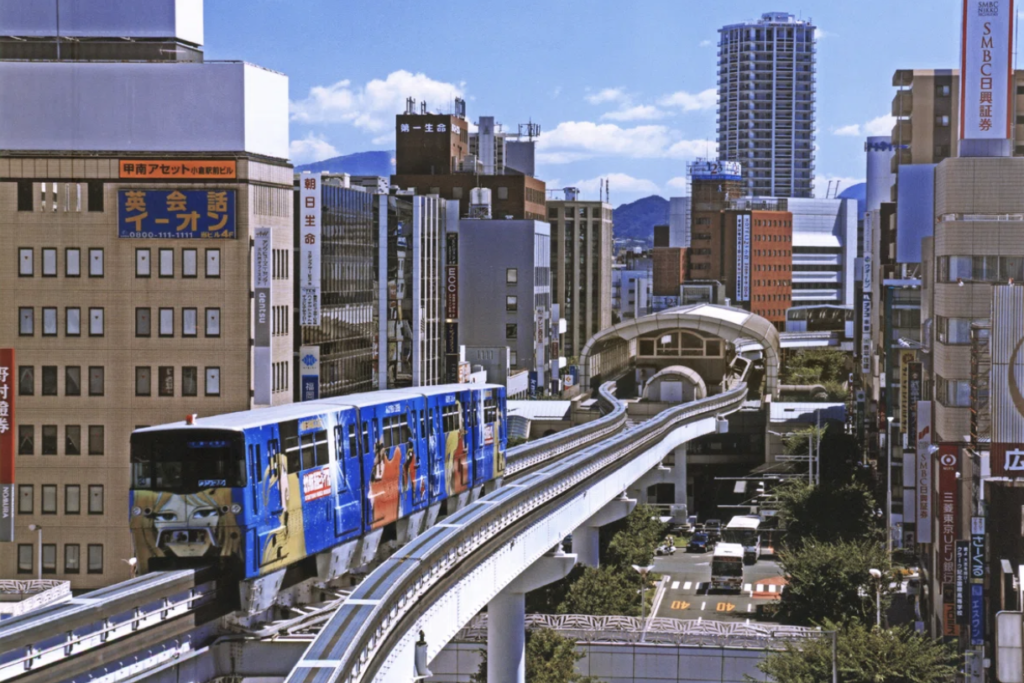
Most Europeans and North Americans who choose to live in Japan end up living largely minimalist, unremarkable lives in the major coastal cities or, to be more accurate, on the outskirts of the major cities. Occasionally, however, a more spirited character will come along and venture into the interior to live out some kind of Tottoro fantasy, which tends to bring mixed results. Some will be warmly welcomed into the aging community and lend their muscle to various projects, while others may be either shunned or find that their newly-bought house falls down around them, with YouTube tutorials unable to provide solutions.
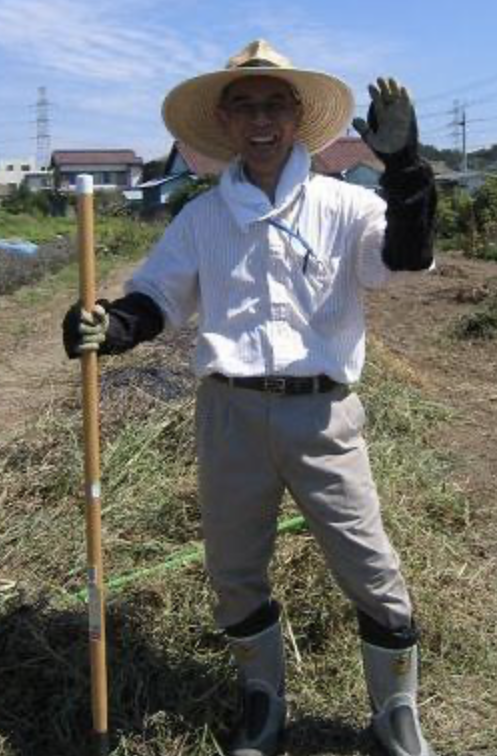
In the case of Vancouverite Garry Langley, it’s been a long and winding road, both in his life, the location of his house, and his much-maligned tour company. “I have a tour. It’s a fantastic rural tour. The Italians love it. I tell them a few overly sexual stories about the goddess Amaterasu which would disgust most people, but not the Italians. They find it all quite titillating,” he explains. “Sometimes I’m so busy that I do three tours in a month. There are many mountain roads, so motion sickness is always a factor. My clients will break down and cry, demanding that I just find a shady place and pull over. The hairpin bends really affect the stomach after a couple of hours, and some people can’t handle it at all. This leads to people calling me an inconsiderate prick and aggressively asking why I didn’t hand out pills before the tour began. Then they give me nasty reviews online. Few people see those reviews though, so it’s ok.”
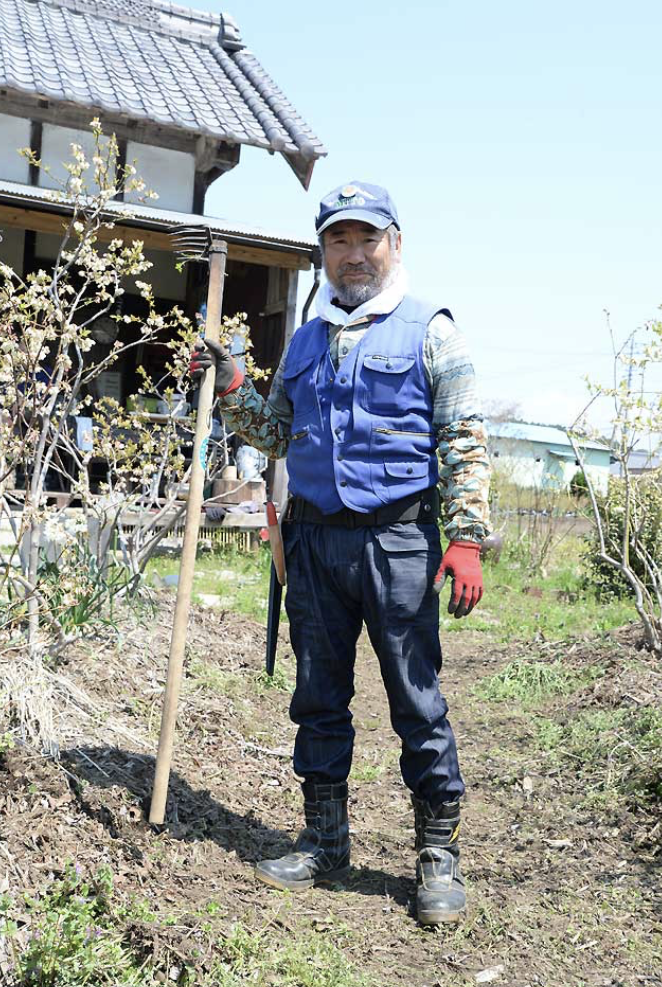
Given time, the tour company may still become a success. Only a complete economically-illiterate buffoon would be so silly as to predict that Langley’s tour company will dry up and wither away to nothing, wasting tens of thousands of dollars from his family trust back in Canada in the process. Optimistic to a fault, and eager to use the interview to sell his tour, Langley continues, “Sometimes we stop for some exotic bear soup at one of the quaint old eateries along the way. Bears in this area generally have fewer parasites than bears in other parts of Japan. I reassure visitors with this fact just prior to everyone picking up spoons and savouring the unique flavour.”
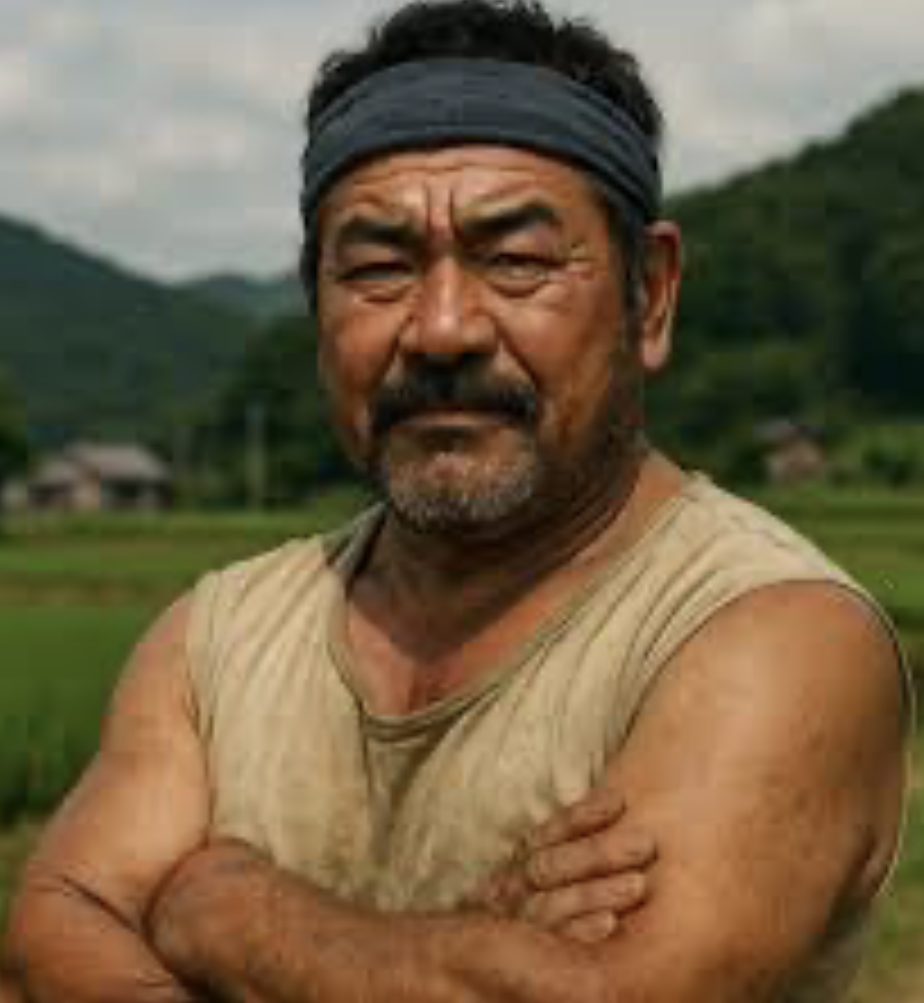
Over delicate sips of green tea at his kotatsu in his sparsely decorated living room, Langley described his idyllic country lifestyle. It had been a few weeks since I’d heard about this fascinating “more Japanese than Japanese” westerner, and I had built up a load of questions to satiate my curiosity in the meantime. “I love how accessible nature is out here in Obutsu. There’s a small river where government officials say it’s safe to swim depending on the amount of artificial fertiliser that’s been used on surrounding farms during growing season. I like to go fly-fishing there. I once caught a fish 8cm long in that river. I go down in the morning before the junior high school boys wake up. Otherwise they’ll throw stones at me and shout nasty things.”
Locals needed little prompting before providing their opinions of their Canadian neighbour. “We thought it would be great to have someone from overseas contributing to the community, but this guy is, quite frankly, good for nothing,” says 63 year old Egui Kocho. “He’s the last person anyone calls on to help out on their farm.” This unkind and blunt opinion of the 47 year old Langley, a language teacher who made the leap into the Ibaragi countryside four years ago, is one that is commonly held amongst the locals. For Kocho, a lifelong farmer who knows the mountains and the rivers like the back of his hand, Langley’s move to the sleepy farming district fills him with enormous anxiety for the future, as he knows that there could be more unskilled western city slickers on their way.
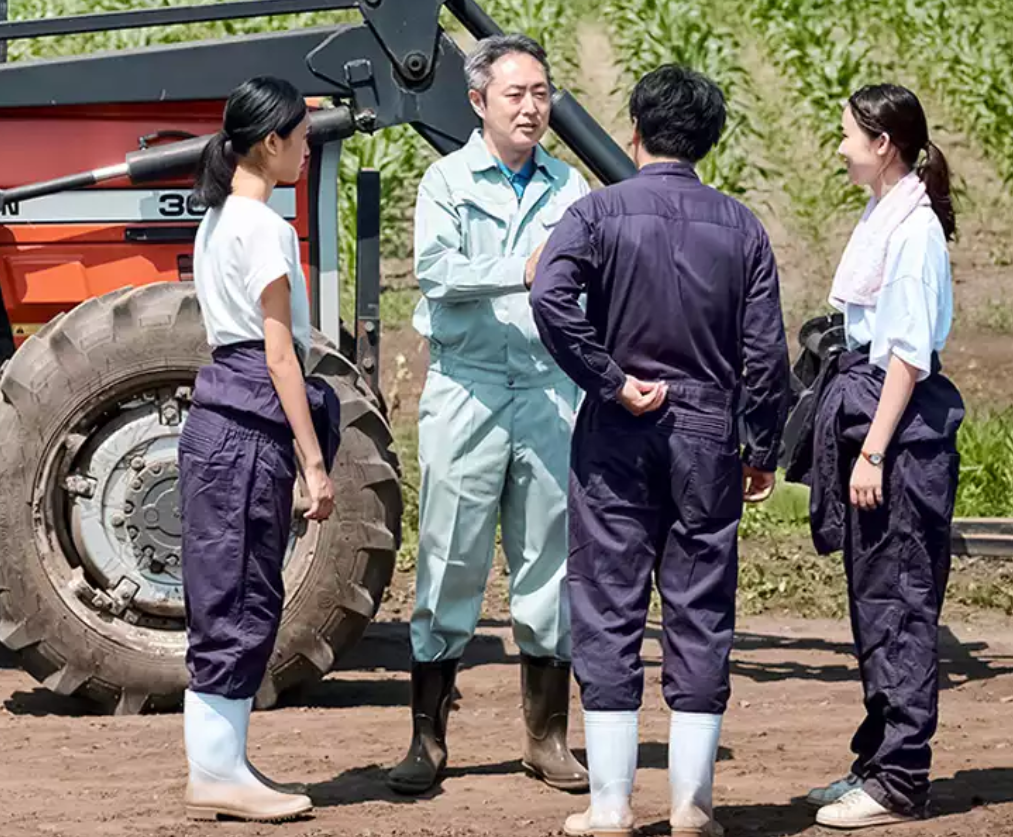
“We’ve seen him fly-fishing in the streams around here many times,” chimed in 72 year old Hajiku Mane. “By that I mean that our lives are so boring that we just watch him for hours just to see if he does anything that we consider weird. To be honest, he never really does anything weird. He’s just a regular, boring kind of guy. I guess that makes us the weird ones, just observing an unremarkable foreigner for hours on end. Anyway, we always see him catching undersized fish. There have been no regular sized fish in this area for fifty years due to the mistrust and impatience of every fisherman around here. That’s how we know that he’s catching undersized fish. It’s quite pathetic to see men going home with a bucket containing five fish which are as long as your middle finger. We all dream of catching barramundi in Australia, but we just have to pretend to get excited over fish which are depressingly small.”

When not fighting a losing battle at home to keep his floors dry and level, Langley can be seen accompanying his still bangable (but only just) wife Junko to the village once a week or so. “Junko really loves interacting with other locals,” says Langley. “She often gets into deep and animated conversations with them, so I tend to drift off and go back to the car where I look at Facebook while I wait for her. I don’t want to get in her way, and I want her getting some fulfilling human contact that she might miss out on due to living in our isolated little patch of Japan. It can get lonely out in the woods, so I don’t begrudge her socialising when she gets the opportunity, and if that means that she might occasionally get spit-roasted by two teenagers who are spending school holidays with their grandparents, then so be it.”
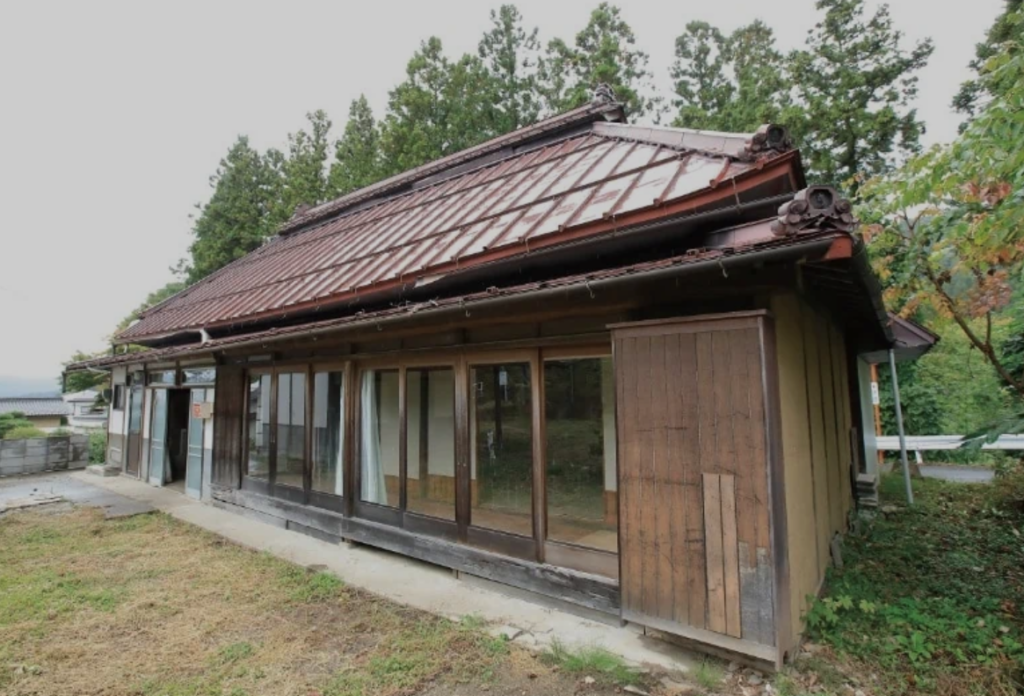
Of course, the big question remains; has this tree-change been worth it? Are there any regrets? Langley takes his time to respond, taking in the green vista as he chooses his words carefully. “I wouldn’t say that I have regrets, as such. I don’t miss the commuting or singing Old McDonald to the kiddies. I’m happy to be free from that. You can have your urban conveniences, your sophisticated neighbors, and your network of fellow westerners. I’m doing it nicely and easily out here in Obutsu, where I just blend in with the locals. This house has all the country charm that I need, and more. Sure, in any other G20 country it would be classified as derelict, but you need to remember that I’m one of those people who are into old Japanese stuff to the point where I get irrationally emotional about having an engawa and a shishiodoshi.

“You have to remember that as a white man, no matter where you’re from, some locals assume that you agree with whatever an American President has said about anything that week. But, be that as it may, I would like it if more people followed me on social media. What I’m doing is remarkable and noteworthy. I am kind of a cultural pioneer who deserves more credit. So, yes, I would appreciate it if more people were to acknowledge what I’m doing out here. I’ve taken the big step, and now it’s up to other people to speak admiringly of me.”